
Why Roof Rats Love Arcadia's Citrus and Avocado Trees
Hollowed oranges on your tree? Roof rats feed on Arcadia's citrus and avocados, then use the branches to reach your roof. Here's how to break the cycle.
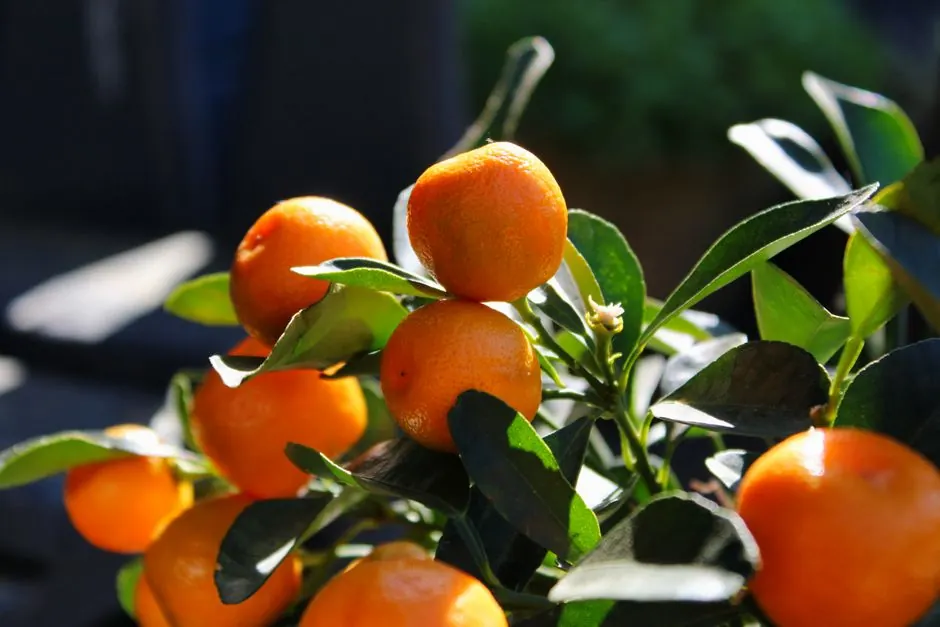
Roof rats love Arcadia's citrus and avocado trees because the fruit gives them a steady food supply and the branches give them a safe, high route to your roof. UC IPM notes roof rats favor citrus and avocados and can travel up to 300 feet a night, so one fruit tree can feed rats living in several attics on the block.
That's why so many Arcadia rat calls start with a homeowner finding a hollowed-out orange still hanging on the tree. Below we explain why fruit trees attract roof rats, how the trees lead rats into your attic, and what to do about it without cutting down your trees.
Why do roof rats go after citrus and avocados?
Roof rats go after citrus and avocados in Arcadia because they're high-calorie foods available most of the year, growing right where roof rats like to live: up off the ground. Roof rats are natural climbers that prefer to eat and travel above ground.
Roof rats, sometimes called fruit rats, are a climbing rodent species that feeds heavily on fruit, nuts, seeds and pet food. Southern California's long growing season means oranges, lemons, grapefruit and avocados hang on trees for months. Arcadia's older neighborhoods are full of backyard citrus and avocado trees, many planted decades ago when much of the area was orchards and ranch land.
Avocados are especially attractive because they're high in fat. Rats will gnaw through the skin and eat the flesh right on the tree. Citrus gives them both food and moisture, which matters during hot, dry San Gabriel Valley summers.
How fruit trees lead rats to your roof
Fruit trees lead roof rats to your roof by giving them a high, sheltered path from the yard to the roofline. Once they're on the roof, they look for gaps at roof returns, vents and fascia boards.
Here's the usual pattern we see in Arcadia:
- Rats nest in dense tree canopy, ivy or palm skirts nearby.
- At night they travel along fences, power lines and branches to reach fruit trees.
- Branches that touch or hang over the roof give them direct access.
- They find a gap of about 1/2 inch at a roof return, gable vent or eave.
- They move into the attic, which is warm and close to their food.
UC IPM recommends trimming branches back at least 3 feet from the roof. That alone doesn't stop rats, since they can still climb walls and use utility lines, but it removes the easiest bridge.
This pattern is especially strong in older neighborhoods with big lots and mature fruit trees. Rodent Control in Lower Rancho is a good example: nearly every backyard has citrus, avocado or persimmon trees, and the long ranch rooflines have many small gaps for rats to find.
Signs rats are eating your fruit
The clearest sign roof rats are eating your fruit in Arcadia is citrus hollowed out on the tree with the peel still hanging. Other animals like squirrels and birds eat fruit too, but they leave different marks.
- Hollowed citrus: a hole about 1 to 2 inches wide with the inside scooped out and the peel left on the branch.
- Gnawed avocados: teeth marks and chunks missing from fruit still on the tree.
- Fallen fruit with bite marks: half-eaten fruit on the ground, often near walls or fences.
- Rats on fences at dusk: roof rats running along fence tops or power lines in the evening.
- Droppings under trees: pointed droppings about 1/2 inch long near the trunk or on nearby walls.
Squirrels usually eat during the day and leave peel scattered on the ground. Birds peck shallow holes. Rats work at night and hollow the fruit from one side.
How to protect fruit trees and your home
Protecting fruit trees and your home from roof rats in Arcadia takes three things together: removing easy food, cutting off the path to the roof and sealing the house. Doing just one rarely works.
Manage the fruit
Pick fruit as soon as it ripens. Pick up fallen fruit every day, or at least every couple of days. Don't leave fruit sitting in bins outside. This is the single biggest change most homeowners can make on their own.
Trim the trees
Cut branches back at least 3 feet from the roof, walls and fences. Thin dense canopy so rats have less cover. Remove ivy from walls and fences, since roof rats nest in it. Palm trees with skirts of dead fronds are another common nest site.
Seal the house
Even with perfect tree care, rats will keep testing your roof if they live nearby. Sealing every gap at roof returns, gable vents, ridge vents, eaves and pipe penetrations with metal and 1/4 inch hardware cloth is what keeps them out. Our Rodent Exclusion and Proofing in Arcadia covers the whole roof, not just the obvious spots.
Trap what's already there
If rats are already in your attic, they need to be trapped before you seal. Sealing them inside causes new damage. Rat Control in Arcadia usually takes two to three weeks of trapping with checks every two to three days.
Common mistakes with fruit trees and rats
Arcadia homeowners often make a few mistakes that keep roof rats coming back, even after they've tried to fix the problem.
- Cutting down the tree. Removing a fruit tree rarely solves it. Rats travel 300 feet a night and will use your neighbor's tree.
- Using bait in the tree. Poison bait can harm pets, birds and owls, and California restricts many rodenticides.
- Leaving fallen fruit for weeks. Fruit on the ground feeds both roof rats and Norway rats.
- Trimming but not sealing. Rats still reach roofs by walls, fences and utility lines.
- Waiting until the fruit is gone. Rats that moved into your attic during fruit season don't leave when the fruit does.
When to call a professional
Call a professional for roof rats in Arcadia when you find hollowed fruit and also hear noise in the attic or find droppings in the garage. That combination means rats have moved from the tree to your house.
Rodent Control Arcadia inspects the roof, attic and yard together, so we can see how rats are getting from your trees to your home. In family neighborhoods like Rodent Control in Hugo Reid, we use traps placed where kids and pets can't reach, and we avoid poison bait in the yard.
On larger estates with groves of citrus and old oaks, Rodent Control in Upper Rancho often means sealing multiple roof planes and several buildings on the same lot.
Frequently Asked Questions
These are the questions Arcadia homeowners ask most about roof rats and fruit trees.
Get help with Rodent Control in Arcadia
Hollowed fruit on your tree and noise in the attic? Call us for a same-day inspection and we'll stop the rats at the roofline.