
Why Are Rats Chewing My Car Wires
Rats chew car wiring because engine bays are warm, sheltered and close to their nests. Here's why it happens in Arcadia and how to protect your car.
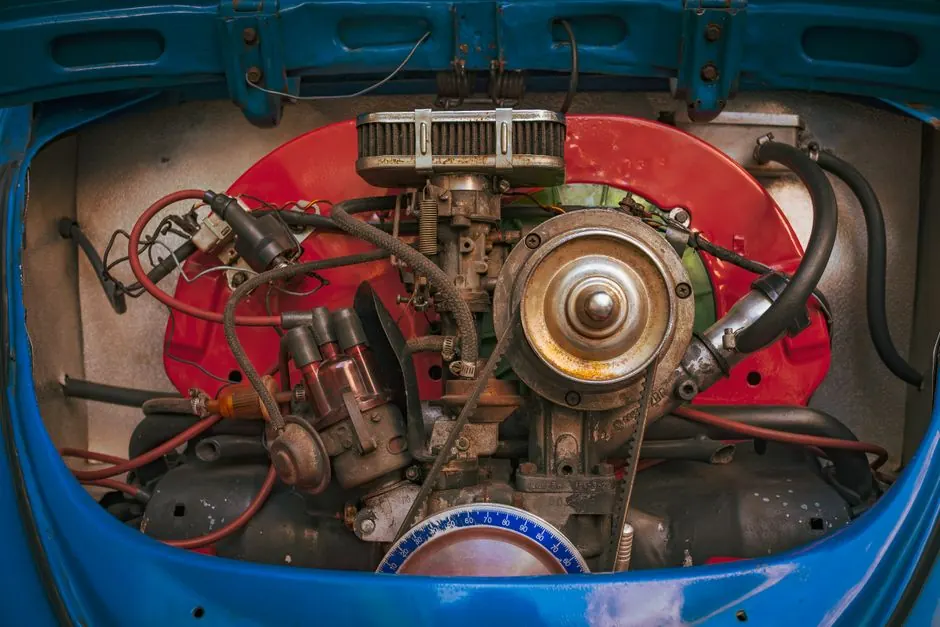
Rats chew car wires because their teeth never stop growing and they need to gnaw constantly, and a parked car's engine bay is a warm, sheltered spot close to where they already live. If rats are nesting in your garage or nearby trees, your car becomes part of their territory.
Southern California news outlets including FOX LA have reported rat damage repairs costing $5,000 to $6,000, so this isn't a small problem. Below we explain why rats target cars in Arcadia, whether soy-based wiring matters, how to spot the damage and how to stop it.
Why do rats chew car wires?
Rats chew car wires in Arcadia because gnawing keeps their teeth worn down, and engine bays give them warmth, cover and nesting space right next to their food and nests. Wiring is simply what's there to chew.
Vehicle rodent damage is chewing, nesting and contamination caused by rats or mice living in a car's engine bay, air intake or cabin vents. Roof rats are the most common culprit in Arcadia. They climb easily, so they can reach engine bays from the ground, the wheel wells or the garage rafters.
A few things make cars especially attractive:
- Warmth: a recently driven engine stays warm for hours, which rats like on cool fall nights.
- Shelter: the engine bay is dark and protected from owls, hawks and cats.
- Nesting material: insulation, foam and cabin air filters make easy nests.
- Quiet: cars that sit for days, like a second car or one parked during travel, are rarely disturbed.
Does soy-based wiring attract rats?
Many newer cars use soy-based wire insulation, and some owners and reports suggest it may make wiring more appealing to rats, though rats chew any wiring they find. The bigger factor is whether rats are living near your car.
Automakers moved to plant-based insulation to reduce petroleum use. Some lawsuits and news stories have claimed it attracts rodents. The evidence isn't conclusive, and rats were chewing car wires long before soy insulation existed. What matters most in Arcadia is the rodent pressure around your home: if roof rats are in your trees and garage, any car is at risk.
Signs rats are in your car
Signs of rats in your car include chewed wires or hoses, nesting material under the hood, droppings on the engine or battery, and a check engine light after the car has been sitting.
- Chewed wires, hoses or fuel lines
- Shredded insulation, leaves or paper under the hood
- Stashes of nuts, seeds or pet food in the engine bay or air filter box
- Droppings on the engine cover, battery or fender wells
- Check engine or warning lights that appear suddenly
- A burning smell when the engine runs, often nesting near hot parts
- A rotten smell from the vents, possibly a dead rodent in the cabin air system
If you notice any of these, pop the hood and take photos before driving far. Nesting near the exhaust can be a fire risk.
What rat damage costs
Rat damage to car wiring in the LA area ranges from a few hundred dollars for a chewed sensor wire to $5,000 or more for a full harness replacement. The cost depends on how much was chewed and how hard the harness is to reach.
Whether insurance pays depends on your policy. Some comprehensive policies cover rodent damage and some exclude it. Photos of the damage and a pest control report showing the source can help with a claim.
Compare that to prevention. Vehicle and Garage Rodent Protection in Arcadia typically costs $350 to $1,200 based on typical 2026 pricing in this area, which is often less than a single repair.
How to stop rats from chewing your car
Stopping rats from chewing your car in Arcadia means removing them from the area around the car, sealing the garage and making the car less inviting. Repellents alone rarely work.
- Seal the garage. Replace worn garage door bottom seals, add side seals and close gaps at the slab and roof line. Rats need about 1/2 inch.
- Trap rodents nearby. Enclosed traps along garage walls catch rats using the space.
- Remove food. Move pet food, bird seed and grass seed into sealed metal or thick plastic bins.
- Drive the car often. Cars that move daily are less likely to be nested in.
- Leave the hood up in a sealed garage. Light and open space discourage nesting.
- Add under-hood protection. For cars that sit, engine bay mesh or deterrents can add a second layer.
Older garages are the biggest weak spot. In Rodent Control in Camino Grove, many homes have detached garages with worn seals and gaps at the slab, which is exactly where rats get in. Up north, Rodent Control in Santa Anita Oaks often involves multi-car garages under oak canopy, where roof rats drop in from the trees.
Common mistakes
These mistakes are why rats keep coming back to cars in Arcadia garages.
- Fixing the wiring without fixing the garage. The rats come right back.
- Using poison in the garage. Poisoned rats can die in the car's vents or engine bay.
- Relying on peppermint or ultrasonic devices. Research shows they don't reliably repel rats.
- Storing pet food in bags. Rats chew through bags easily.
- Ignoring the attic. Rats in the garage are often in the attic too.
When to call a professional
Call a professional when a mechanic finds rodent damage, you see droppings in the garage, or you're about to leave a car parked for weeks. Rodent Control Arcadia inspects the garage and the car, traps the rats and seals the garage so the repair isn't wasted.
If rats are also in the house, Rat Control in Arcadia handles the attic and walls, and full Rodent Exclusion and Proofing in Arcadia seals the whole home including the garage.
Frequently Asked Questions
These are the questions Arcadia drivers ask most about rats and car wiring.
Get help with Rodent Control in Arcadia
Rats in your car or garage? Call us and we'll seal the garage before the next repair bill.