
How Do Rats Get Into a House: Common Entry Points in Arcadia Homes
Rats need about 1/2 inch to get in. Here are the entry points we find most often in Arcadia homes, from roof returns to foundation vents.
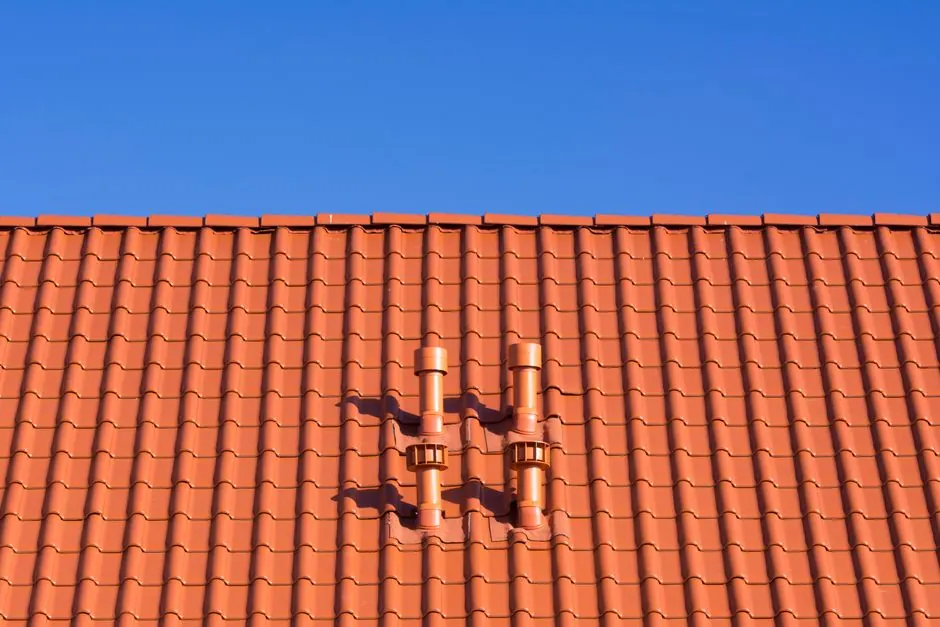
Rats get into Arcadia homes mainly through gaps at roof returns, torn gable and attic vent screens, worn garage door seals and damaged foundation vents. A rat only needs an opening about 1/2 inch wide, and a mouse about 1/4 inch.
Roof rats, the most common rat in Arcadia, usually come in high, from trees and fences onto the roof. Norway rats come in low, through foundations and garages. Below we walk through the most common entry points we find in local homes and how to seal each one so it stays sealed.
How do rats get into a house?
Rats get into Arcadia houses by finding small gaps in the roof, garage or foundation and squeezing or chewing through. They're excellent climbers and can chew through wood, plastic, foam and soft metals.
A rodent entry point is any opening in a building's exterior large enough for a rat or mouse to fit through, including vents, gaps around pipes and wires, and spaces where building materials meet. Older homes tend to have more of them, because vents rust, seals crack and wood shrinks over decades.
Roof entry points
Roof entry points are the most common way roof rats get into Arcadia homes. Rats reach the roof from trees, fences and power lines, then search the edges for gaps.
- Roof returns: where the roof edge turns back toward the wall, gaps often open as wood ages. This is the single most common entry point we find.
- Gable vents: screens on triangular wall vents rust, tear or pull away from the frame.
- Ridge and attic vents: gaps at the ends of ridge vents or around roof vents.
- Fascia and eaves: gaps where fascia boards meet the roof or where eave blocks are missing.
- Chimneys and flashing: loose flashing around chimneys, skylights and plumbing vents.
- Remodel joints: gaps where an addition's roof meets the original roof.
Older mid-century homes often have original gable vent screens from the 1940s and 1950s. In Rodent Control in Santa Anita Village, torn gable screens and open roof returns are the two most common reasons rats get in.
Garage entry points
Garages are one of the easiest ways into an Arcadia home for both roof rats and Norway rats. Once inside the garage, rats can reach the attic or the house through gaps around pipes and the door to the house.
- Garage door bottom seals: cracked or worn seals leave gaps of 1/2 inch or more.
- Side and top of garage doors: gaps along the frame let rats squeeze in.
- Slab gaps: spaces where walls meet the concrete slab.
- Water heater and dryer vents: gaps around vents through the wall.
- Utility lines: openings where electrical, cable or gas lines enter.
A quick test: close your garage door during the day, turn off the lights and look for daylight around the edges. If you see light, rats can get in. Our Vehicle and Garage Rodent Protection in Arcadia seals all of these.
Foundation and ground-level entry points
Foundation and ground-level entry points are how Norway rats and mice usually get into Arcadia homes, especially those with raised foundations and crawl spaces.
- Foundation vents: rusted, bent or missing screens let rodents into the crawl space.
- Crawl space access doors: loose or warped doors leave gaps.
- Plumbing penetrations: gaps around pipes entering the foundation or floor.
- Door bottoms: exterior doors without sweeps or with worn weatherstripping.
- AC line sets: openings where refrigerant lines enter the wall.
Raised foundations are common in older southwest Arcadia neighborhoods. Rodent Control in Baldwin Stocker often starts in the crawl space, replacing foundation vent screens with 1/4 inch hardware cloth.
How to seal entry points the right way
Sealing rat entry points the right way in Arcadia means using materials rats can't chew through and sealing only after the rats already inside are trapped.
- Trap first. Sealing with rats inside traps them in your walls and attic.
- Use 1/4 inch hardware cloth. LA County Public Health recommends it for vents and openings. It stops rats and mice but lets vents breathe.
- Use metal flashing. For roof returns, fascia gaps and larger openings.
- Install door seals and sweeps. On garage doors and exterior doors.
- Seal pipe gaps. With metal mesh plus sealant, not foam alone.
- Trim trees. Cut limbs 3 feet back from the roof, as UC IPM recommends.
Full Rodent Exclusion and Proofing in Arcadia covers every one of these, from the roof to the foundation.
Common sealing mistakes
These are the sealing mistakes we fix most often in Arcadia homes.
- Using expanding foam alone. Rats chew right through it.
- Using steel wool alone. It rusts and rats pull it out.
- Using window screen. It's too soft. Rats tear it.
- Sealing only the obvious hole. Rats find the next gap.
- Sealing before trapping. Rats trapped inside chew new exits.
When to call a professional
Call a professional when you can't find how rats are getting in, when the entry is on the roof, or when you've sealed gaps and rats keep coming back. Most missed entry points are on the roof and hard to see from the ground.
Rodent Control Arcadia inspects every level of the home, traps the rats inside, then seals each gap with metal and hardware cloth. If rats are still active, Rat Control in Arcadia clears them before the final sealing.
Frequently Asked Questions
These are the entry point questions Arcadia homeowners ask most.
Get help with Rodent Control in Arcadia
Not sure how rats are getting in? Call us for a same-day inspection and we'll show you every gap.